
When it comes to running shoes, Brooks and ASICS are two of the most recognized and trusted brands in the market.
Asics vs Brooks - Both offer high-quality footwear designed to meet the needs of various runners, from casual joggers to marathon runners. This comprehensive comparison will help you understand the key differences between these running shoes, enabling you to make an informed decision for your next pair of running shoes.
Based on extensive research, here are the four biggest differences between Asics running shoes & Brooks running shoes:
- Sizing: Brooks has a slightly larger toe box than Asics making them perfect for runners with wide feet. Asics tend to have a tighter fit.
- Support: Asics focuses on padding in the midfoot & heel whereas Brooks focuses their support throughout creating better stability for runners.
- Durability: Runners should expect to get 300-400 miles out of their Asics shoes and Brooks tend to last up to 400-500 miles.
- Comfort: Many runners have shared that Asics are more comfortable than Brooks due to the patented GelTechnology.
Digging into these specific details, here are some quality features you should refer to while selecting.

Brief overview of Brooks and ASICS
Brooks: Founded in 1914, Brooks initially produced a wide range of athletic footwear before focusing exclusively on running shoes in 2001. Known for their commitment to sustainability and biomechanics-based designs.
ASICS: Established in 1949 in Japan, ASICS is an acronym for "Anima Sana In Corpore Sano" (A Sound Mind in a Sound Body). They produce a variety of athletic shoes and have been a major player in the running shoe market for decades.

Brooks vs ASICS: The Main Differences
Fit and Sizing
- Brooks: Generally features a wider toe box, making them suitable for runners with wider feet or those who prefer more toe room.
- ASICS: Tends to have a narrower fit, particularly in the heel and midfoot areas.
Cushioning Technologies
- Brooks: Uses DNA LOFT and BioMoGo DNA for adaptive cushioning.
- ASICS: Famous for its GEL technology, providing excellent shock absorption.
Stability Features
- Brooks: Employs GuideRails technology to support natural motion.
- ASICS: Uses Duomax system and external heel clutch for stability.
Brand Focus and Philosophy
- Brooks: Focuses exclusively on running shoes, emphasizing accommodating natural gait rather than correcting it.
- ASICS: Produces shoes for various sports, with a strong emphasis on running shoes.

Detailed Comparison of Key Features
Durability
- Brooks: Shoes typically last 300-500 miles.
- ASICS: Recommends replacement every 450-500 miles.
Breathability
- Brooks: Uses Engineered Mesh and Fit Knit for breathability.
- ASICS: Employs Ortholite Lasting material for moisture management.
Cushioning
- Brooks: DNA LOFT for soft cushioning, BioMoGo DNA for balanced cushioning.
- ASICS: Flytefoam technology for responsiveness, GEL for shock absorption.
Stability
- Brooks: GuideRails technology supports natural motion.
- ASICS: Duomax system and external heel clutch enhance stability.
Price Range
- Brooks: Generally $100-$160
- ASICS: Typically $110-$160
For the sake of comparisons, you can see below how two of their most popular prices compare to each other.
| Preview | Product | Rating | Price | |
|---|---|---|---|---|
 | Brooks Women’s Ghost 16 Neutral Running Shoe - White/Black/Rose Gold - 8 Medium | $139.95 | Buy on Amazon | |
 | ASICS Women's GEL-NIMBUS 26 Running Shoe, 11, MINT TINT/PALE MINT | 330 Reviews | $159.95 | Buy on Amazon |

Popular Shoe Models Compared
Neutral Running Shoes: Brooks Ghost vs ASICS Gel-Nimbus
Both the Brooks Ghost and ASICS Gel-Nimbus are popular neutral running shoes designed for daily training. Here's how they compare:

Midsole and Cushioning:
- Brooks Ghost: Features DNA LOFT v3 foam, providing a balanced cushioning experience. The ride is firmer than the Gel-Nimbus but still comfortable for long runs.
- ASICS Gel-Nimbus: Uses FF BLAST+ foam with additional GEL units in the heel. This results in a medium-soft ride, ideal for longer, relaxed-pace runs.
Stability:
- Brooks Ghost: Offers better stability due to its firmer midsole, with no lean bias.
- ASICS Gel-Nimbus: Provides stability through a flared midsole design, creating a wide base.

Heel-to-Toe Drop:
- Brooks Ghost: 12mm drop, more suited for heel strikers.
- ASICS Gel-Nimbus: 8mm drop, offering a more balanced foot position.
Upper:
- Brooks Ghost: Features a thicker, more padded upper that's less breathable but provides a luxurious feel.
- ASICS Gel-Nimbus: Offers a breathable, porous mesh upper with excellent foot lockdown.
Fit and Sizing:
- Both shoes come in regular, wide, and extra-wide versions.
- Brooks Ghost also offers a narrow option.
Weight and Price:
- Brooks Ghost: Slightly heavier at 9.5 oz (men's), priced at $140.
- ASICS Gel-Nimbus: Lighter at 8.9 oz (men's), priced at $160.
| Preview | Product | Rating | Price | |
|---|---|---|---|---|
| | Brooks Women’s Ghost 16 Neutral Running Shoe - White/Black/Rose Gold - 8 Medium | $139.95 | Buy on Amazon | |
| | ASICS Women's GEL-NIMBUS 26 Running Shoe, 11, MINT TINT/PALE MINT | 330 Reviews | $159.95 | Buy on Amazon |
Versatility:
- Brooks Ghost: More versatile, suitable for various run types including tempo runs.
- ASICS Gel-Nimbus: Excels in longer, easy-paced runs but less suited for speed work.
Choose the Brooks Ghost if you prefer a firmer, more stable ride and want versatility in your daily trainer. Opt for the ASICS Gel-Nimbus if you prioritize soft cushioning for long, comfortable runs and don't mind paying a bit extra for premium features.
You might like: 5 Brooks Ghost Alternatives or 5 Asics Gel Nimbus Alternatives
Stability Running Shoes: Brooks Adrenaline GTS vs ASICS Gel-Kayano

Both the Brooks Adrenaline GTS and ASICS Gel-Kayano are popular stability shoes designed for overpronators. Here's how they compare:
Support and Stability:
- Brooks Adrenaline GTS: Features the GuideRails support system, which provides unobtrusive support and a smooth ride.
- ASICS Gel-Kayano: Offers stability through its Dynamic DuoMax Support System and external heel counter.
Cushioning:
- Brooks Adrenaline GTS: Uses DNA LOFT v2 cushioning, providing a soft and lightweight feel.
- ASICS Gel-Kayano: Features FlyteFoam and Gel cushioning technologies for shock absorption and comfort.
Fit and Upper:
- Brooks Adrenaline GTS: Offers a secure fit with a breathable upper and good lockdown.
- ASICS Gel-Kayano: Provides a snug fit, especially in the heel area.

Versatility:
- Brooks Adrenaline GTS: Excels as a versatile daily trainer, suitable for various types of runs.
- ASICS Gel-Kayano: Performs well for long-distance running and offers good durability.
Runner Feedback:
- Many runners find the Brooks Adrenaline GTS to be more comfortable and supportive, especially for those with hip or back issues.
- The ASICS Gel-Kayano is praised for its durability and consistent performance over long distances.
Choose the Brooks Adrenaline GTS if you prefer a less intrusive stability system and a softer, more cushioned feel. Opt for the ASICS Gel-Kayano if you want a firmer ride with traditional stability features and excellent durability.
Racing Shoes: Brooks Hyperion Elite vs ASICS Metaspeed Sky
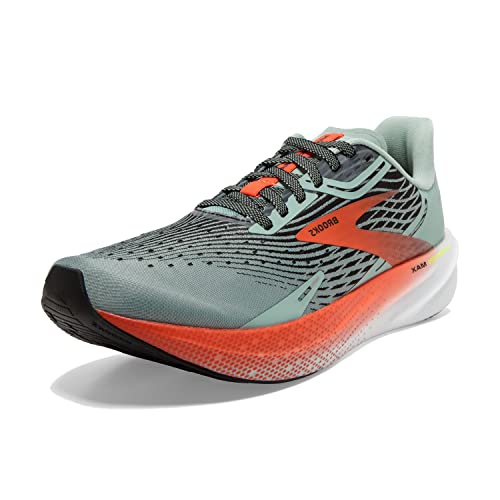
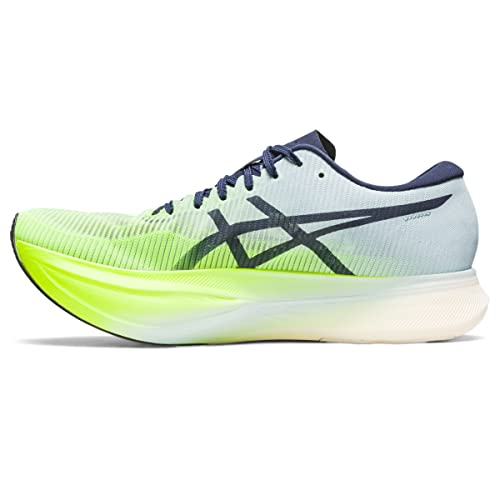
For runners seeking high-performance racing shoes, both Brooks and ASICS offer carbon-plated options. Here's how the Brooks Hyperion Elite compares to the ASICS Metaspeed Sky:
Midsole Technology:
- Brooks Hyperion Elite: Features nitrogen-infused DNA Flash v2 foam and a 3D-printed SpeedVault Race Plate.
- ASICS Metaspeed Sky: Uses FF BLAST TURBO foam and a full-length carbon plate.
Weight and Stack Height:
- Brooks Hyperion Elite: Weighs about 7.2 oz (204g) for a US M9, with a 40mm heel and 32mm forefoot (8mm drop).
- ASICS Metaspeed Sky: Typically lighter, with a similar stack height and drop.
Ride Characteristics:
- Brooks Hyperion Elite: Offers a firm but cushioned ride with smooth transitions, though some runners find it lacks bounce for full marathon distances.
- ASICS Metaspeed Sky: Known for its responsive and bouncy ride, suitable for longer distances.
Upper and Fit:
- Brooks Hyperion Elite: Features a thin, breathable mesh upper with good midfoot lockdown and ample toe box volume.
- ASICS Metaspeed Sky: Provides a lightweight, breathable upper with a secure fit.
Best Use:
- Brooks Hyperion Elite: Performs well for speeds up to half-marathon distances but may lack the energy return for full marathons.
- ASICS Metaspeed Sky: Designed for long-distance racing, including full marathons.
Price:
- Both shoes are priced similarly in the premium range, around $250. After doing even more research, Brooks Hyperion is actually cheaper than expected.
| Preview | Product | Rating | Price | |
|---|---|---|---|---|
 | ASICS Metaspeed Sky Paris Sunrise Red/Black Men's 10.5, Women's 12 Medium | $249.95 | Buy on Amazon | |
 | Brooks Men’s Hyperion Max Neutral Running Shoe - Black/Grey/Orange Clown Fish - 10.5 Medium | 117 Reviews | $109.95 | Buy on Amazon |
Choose the Brooks Hyperion Elite if you prefer a firmer, more stable ride and plan to race distances up to a half-marathon. Opt for the ASICS Metaspeed Sky if you're looking for more energy return and cushioning for full marathon distances.
Choosing Between Brooks and ASICS

For Different Foot Types
When choosing between Brooks and ASICS, consider your specific foot type for the best fit and comfort:

via http://www.footankleinstitute.com
- Wide Feet:
- Brooks: Generally offers a wider toe box, especially in models like the Ghost and Glycerin.
- ASICS: Look for their "wide" options, available in popular models like the Gel-Nimbus and Gel-Cumulus.Recommendation: Brooks tends to be more accommodating for wide feet overall.
- Narrow Feet:
- Brooks: Offers narrow options in some models, like the Ghost.
- ASICS: Known for a generally narrower fit, especially in the midfoot and heel.Recommendation: ASICS might be a better starting point for narrow-footed runners.
- High Arches:
- Brooks: Models like the Glycerin provide good support for high arches.
- ASICS: The Gel-Nimbus series offers excellent cushioning for high-arched feet.Recommendation: Both brands cater well to high arches; choose based on preferred cushioning feel.
- Low Arches/Flat Feet:
- Brooks: The Adrenaline GTS series offers support for low arches.
- ASICS: The Gel-Kayano provides stability for flat-footed runners.Recommendation: Both offer good options; consider the level of stability needed.
- Normal Arches:
- Brooks: The Ghost series is versatile for normal arches.
- ASICS: The Gel-Cumulus works well for neutral arch types.Recommendation: Both brands offer suitable options; choose based on other preferences.
- Bunions or Sensitive Feet:
- Brooks: Wider toe boxes in models like the Glycerin can accommodate bunions.
- ASICS: Look for their "wide" options in models like the Gel-Nimbus Lite.Recommendation: Brooks might offer more comfort for those with bunions due to roomier toe boxes.
Remember, these are general guidelines. It's always best to try on shoes and, if possible, get a professional fitting at a specialty running store. Both Brooks and ASICS offer various width options in many of their models, allowing for customization based on individual foot shapes and needs.

Brand Histories and Innovations
Brooks: From Ballet Slippers to Running Specialists
I wrote several research papers about Brooks and their marketing processes so I am all too familiar with how amazing a company they are.
Brooks Sports has a rich history that spans over a century. Founded in 1914 by Morris Goldenberg, the company initially produced ballet slippers and bathing shoes. Over the decades, Brooks expanded its product line to include a variety of athletic footwear, including baseball and football cleats, and even roller skates.
The company's pivot to running shoes began in the 1970s, inspired by the running boom following Frank Shorter's marathon gold medal at the 1972 Munich Olympics. Brooks launched its first running shoe in 1974, marking the beginning of its journey to become a running-specific brand.
Key milestones in Brooks' transition to running:
- 1977: Introduction of the Vantage, Brooks' first shoe to incorporate EVA foam.
- 1982: Launch of the Chariot, featuring the innovative Brooks Diagonal Rollbar.
- 1999: Introduction of the Adrenaline GTS, which became one of their most popular models.
- 2001: Brooks made the strategic decision to focus exclusively on running shoes and apparel.
- 2013: Introduction of the DNA midsole technology, enhancing cushioning and responsiveness.
Today, Brooks is renowned for its commitment to running-specific innovation, biomechanics research, and sustainable practices, solidifying its position as a leader in the running shoe industry. Most people don't know this - Warren Buffett actually owns Brooks.
ASICS: The Philosophy of a Sound Mind in a Sound Body
ASICS was founded in 1949 in Kobe, Japan, by Kihachiro Onitsuka. The company's name is an acronym for the Latin phrase "Anima Sana In Corpore Sano," which translates to "A Sound Mind in a Sound Body." This philosophy has guided ASICS throughout its history, emphasizing the connection between physical fitness and mental well-being.
Initially, Onitsuka focused on producing basketball shoes, but soon expanded into running footwear. The company's commitment to innovation and performance has led to several groundbreaking developments in running shoe technology.
Key innovations and milestones in ASICS history:
- 1953: Introduction of the first ASICS running shoes.
- 1960s: Development of the Tiger Cortez, which later became the basis for Nike's first shoe.
- 1986: Introduction of the revolutionary GEL cushioning system.
- 1993: Launch of the ASICS Research Institute of Sports Science in Kobe, Japan.
- 2004: Introduction of the Guidance Line technology for improved gait efficiency.
- 2017: Launch of the ASICS Institute of Sport Science in Gold Coast, Australia.
Throughout its history, ASICS has maintained a strong focus on scientific research and technological innovation. The company continues to produce a wide range of athletic footwear and apparel, with running shoes remaining at the core of its product line. ASICS' commitment to performance, comfort, and injury prevention has made it a favorite among runners worldwide.

Sustainability and Corporate Responsibility
Brooks' Initiatives
Brooks Running has committed to a comprehensive, science-based approach to sustainability, focusing on reducing their environmental footprint across their entire value chain. Their ambitious goals include:
- Emission Reduction: Brooks aims to reduce scope 1 & 2 greenhouse gas emissions by 50% by 2030 and 90% by 2040. For scope 3 emissions, they target a 52% reduction per unit of production by 2030 and 97% by 2040.
- Net-Zero Goal: The company plans to achieve net-zero greenhouse gas emissions across their entire value chain by 2040.
- Sustainable Materials: In 2023, 24% of Brooks' total raw materials used in footwear and apparel were recycled or bio-based. This resulted in a 5.9% reduction in greenhouse gas emissions from raw materials per unit.
- Renewable Energy: Brooks is implementing solar energy in their manufacturing facilities, with plans for most footwear assembly factories to have operational rooftop solar by 2024.
- Waste Reduction: 40% of footwear material waste was diverted from landfill or incineration in 2023, up from 33% in 2022.
- Environmental Impact Measurement: Brooks uses the Higg Index, an industry-standard tool, to measure the environmental impact of their products across their lifecycles.
- ReStart Program: In 2023, Brooks launched ReStart, a recommerce program to refurbish and resell gently used Brooks footwear in the US, promoting circular consumption.
- Industry Collaboration: Brooks is a founding member of The Footwear Collective, an initiative aimed at driving a collaborative and circular approach to footwear consumption.
- Sustainable Product Innovation: The company released the carbon-neutral Green Silence Ghost 15, their most sustainable product to date, which reduces greenhouse gas emissions by an additional 5% compared to the standard Ghost 15.
These initiatives demonstrate Brooks' commitment to sustainability, from raw material sourcing to end-of-life product management. By setting ambitious targets and implementing innovative programs, Brooks is striving to reduce its environmental impact while continuing to produce high-quality running gear.
ASICS' Efforts
ASICS, founded with the aim of positively impacting society through sports, has developed a comprehensive Corporate Social Responsibility (CSR) policy that aligns with their founding philosophy. Their approach to sustainability and social responsibility is guided by four main principles:
- Stakeholder Engagement: ASICS commits to open dialogue and building trust with all stakeholders.
- Human Rights and Individual Development: The company prioritizes respect for human rights and encourages personal growth through creative activities.
- Ethical Behavior and Compliance: ASICS pledges to conduct business with honesty, fairness, and integrity, complying with all applicable laws and regulations.
- Accountability and Transparency: The company promises to report their activities

Conclusion: Which Brand is Right for You?
When it comes to choosing between Brooks and ASICS, there's no one-size-fits-all answer. Both brands offer high-quality running shoes with unique technologies and fits tailored to different runner needs. Brooks excels in providing a wider fit and focuses exclusively on running shoes, with a strong commitment to sustainability.
Their GuideRails technology offers a unique approach to stability. ASICS, with its rich history and broader sport focus, is known for its GEL cushioning technology and typically narrower fit. They offer a wide range of options for various foot types and running styles.
Ultimately, the best choice depends on your individual foot shape, running style, and specific needs.
Consider factors such as arch type, pronation, desired level of cushioning, and intended use (daily training, racing, etc.).
Remember, the most important aspect is comfort and proper fit. It's always recommended to try on multiple options and, if possible, get fitted at a specialty running store to find your perfect match.
Whether you choose Brooks or ASICS, both brands are committed to helping you perform your best and enjoy your runs.
Last update on 2023-09-25 / Affiliate links / Images from Amazon Product Advertising API
