
Language:
Now in हिन्दी too


Need Expert Advice?Our Gurus Can Help
Ask Our Gurus
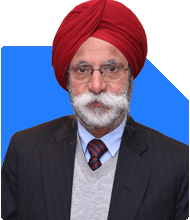 T S Khurana Tax ExpertMoney Guru
Ask T S Khurana Kanchan RaiRelationships Expert, Mind CoachRelationship Guru
Ask Kanchan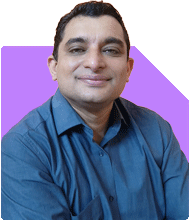 Dr Shakeeb Ahmed KhanPhysiotherapistHealth Guru
Ask Dr Shakeeb Ahmed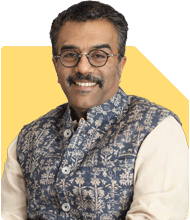 Chocko ValliappaTech Entrepreneur, EducationistCareer Guru
Ask Chocko Ramalingam KalirajanMutual Funds, Financial Planning ExpertMoney Guru
Ask Ramalingam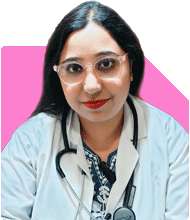 Dr Upneet KaurMarriage counsellorRelationship Guru
Ask Dr Upneet Dr Shyam JamalabadDentistHealth Guru
Ask Dr Shyam Radheshyam ZanwarMHT-CET, IIT-JEE, NEET-UG ExpertCareer Guru
Ask Radheshyam Anu KrishnaRelationships Expert, Mind CoachRelationship Guru
Ask Anu Samraat JadhavStock Market ExpertMoney Guru
Ask Samraat- See All
Gurus


Latest Questions

Nayagam P P |10872 Answers |Ask -Follow
Career Counsellor - Answered on Jan 11, 2026


completed my 12th class pcb 2023 and then repeat class 12th pcm 2026 am i eligible for jee mains
Ans: Kanwarlal, Repeating Class 12 PCM in 2026 makes you fully eligible, as your new passing/appearing year (2026) satisfies NTA requirements. Your stream change from PCB to PCM is permitted with Physics, Chemistry, and Mathematics being mandatory subjects, subject to meeting other eligibility criteria. All the BEST for a Prosperous Future!
Follow RediffGURUS to Know More on 'Careers | Money | Health | Relationships'.
(more)
Follow RediffGURUS to Know More on 'Careers | Money | Health | Relationships'.
Nayagam P P |10872 Answers |Ask -Follow
Career Counsellor - Answered on Jan 11, 2026


Hello, I am currently in Class 12 and preparing for JEE. I have not yet completed even 50% of the syllabus properly, but I aim to score around '110' marks in april attempt. Could you suggest an effective strategy to achieve this? I know the target is relatively low, but I have category reservation, so it should be sufficient.
Ans: Yash, Here are 15 Steps/Tips/Techniques/Strategies for your APRIL JEE Session: Step 1: Prioritize High-Weightage Chapters Using 80/20 Rule - Identify topics that appear repeatedly in past papers and contribute maximum marks with minimum effort. In Physics, focus on Modern Physics, Current Electricity, and Optics first. Chemistry demands Chemical Bonding, Coordination Compounds, and Electrochemistry. Mathematics requires Calculus and Coordinate Geometry mastery. These chapters alone cover 60-70% marks, requiring strategic study rather than comprehensive coverage of entire syllabus.
Step 2: Create Focused Subject-Wise High-ROI Chapter Lists -
Develop a short, manageable "core list" by categorizing chapters into four buckets: low-input-high-weightage (prioritize first), high-input-high-weightage (attempt only if basics exist), low-input-low-weightage (quick bonus coverage), high-input-low-weightage (skip entirely). This marks-per-hour game ensures every study session converts into guaranteed marks rather than spreading effort thinly across 100 chapters.
Step 3: Master Formula Notebooks for Quick Daily Revision -
Dedicate 30-45 minutes daily to maintaining organized formula sheets per subject. Physics: compile all formulas in unit-wise order with numerical tricks. Chemistry: organize key reactions, reagents, and NCERT-based exceptions. Mathematics: create method sheets for circles, derivatives, integration with standard approaches. These notebooks become invaluable during final 30 days when revision replaces learning.
Step 4: Implement Daily Balanced Subject Rotation Schedule -
Study physics in morning (formulas + numericals), chemistry in afternoon (reactions + concepts), and mathematics in evening (practice + shortcuts) to prevent mental fatigue and maintain subject continuity. This balanced rotation keeps all three subjects equally developed rather than neglecting weak areas. Night time allocates 1-2 hours reviewing weak topics and analyzing errors.
Step 5: Follow NCERT-First Approach Exclusively for Chemistry -
Since chemistry is NCERT-dominant, read NCERT chapters line-by-line and mark exceptions or variations. Many JEE questions are directly lifted from NCERT examples, tables, and definitions. Organic chemistry requires understanding reaction mechanisms and named reactions. Inorganic chemistry demands memorizing periodic trends and coordination compound basics. This focused NCERT approach guarantees 25-30 marks with minimal time investment.
Step 6: Practice 20-30 Previous Years Questions Daily Per Subject -
Solve minimum 20 topic-wise previous year questions (2019-2025) daily for each subject instead of attempting entire mock tests. This targeted PYQ approach reveals recurring question patterns, examiner preferences, and question difficulty. Timed PYQ practice (15-20 minutes per question for math, 5-10 minutes for physics/chemistry) develops exam-relevant speed without overwhelming effort.
Step 7: Dedicate Weekly Revision Hours for Already-Completed Chapters -
Allocate specific days weekly for revising previously studied chapters using formula notebooks and quick notes. Monday = revise week-1 chapters, Tuesday = week-2 chapters, and so on. This prevents knowledge gaps and reinforces retention through spaced repetition without requiring fresh learning or lengthy study sessions.
Step 8: Conduct Weekly Mock Tests with Detailed 3-Step Analysis -
Take one full-length mock test weekly (increasing to 2-3 per week as exam approaches). Immediately analyze: Step 1 - identify wrong questions and their topics; Step 2 - understand why you answered incorrectly; Step 3 - practice 5-10 similar questions from PYQs. This systematic analysis prevents repeating same mistakes, unlike taking tests without review.
Step 9: Build Subject-Wise Weak-Area Remediation Tracker -
Maintain a simple spreadsheet tracking weak topics (especially in your already-studied 50% syllabus). Monthly (or bi-weekly), allocate 2-3 extra hours practicing only these weak chapters using PYQs and formula-based approaches. Strengthening weak areas early improves accuracy without requiring complete re-learning of strong topics.
Step 10: Develop Exam-Day First-30-Minutes Question Scanning Strategy -
Practice spending first 5 minutes reading entire question paper without solving, marking easy, medium, and difficult questions. This pre-examination scan builds a mental roadmap for attempt sequence. Target easy questions first (securing quick confidence and marks), medium questions next, and difficult questions last only if time permits. This two-round strategy ensures maximum marks via accuracy over volume.
Step 11: Use "One-Shot" Learning for Remaining 50% Syllabus Chapters -
For chapters not yet studied, dedicate 3-5 days per chapter combining concept understanding (2-3 days) + basic numerical practice. Avoid lengthy derivations or complex applications; focus only on formula-based questions likely in JEE. This intensive-but-brief coverage helps you attempt 5-6 extra questions from new chapters rather than leaving them completely untouched.
Step 12: Maintain Daily Error Log with Root-Cause Analysis -
After solving each practice set or mock test, document wrong answers categorized by reason: conceptual misunderstanding, calculation error, misreading question, time management, or silly mistakes. Reviewing this log (15 minutes daily) identifies your specific weakness pattern, enabling targeted remediation rather than generic revision.
Step 13: Allocate Minimum 8 Weeks Before April Exam for Exclusive Revision -
Reserve final 60-70 days (approximately 8-10 weeks before April session) exclusively for revision, PYQ practice, and mock tests without learning new chapters. Early completion (by mid-February) of priority chapters ensures adequate revision time—the single most crucial factor for accuracy improvement from 40-60% conversion to 70-85% conversion rates.
Step 14: Practice Timed Subject-Wise Question Sets for Speed Development -
Solve 10-15 questions from single topics under 20-minute time limits weekly (mathematics), or 5-10 questions in 15-minute limits (physics/chemistry). Progressive timed practice develops exam-relevant speed without causing pressure anxiety. Gradually reduce time allocation by 10-15% monthly to approach actual exam pace naturally.
Step 15: Maintain Positive Mindset and Consistency Over Perfection Mindset -
Study 6-8 hours daily with genuine focus rather than exhausting 12+ hours with low-concentration study. Take short 5-10 minute breaks every 1-2 hours. Avoid comparing your progress with other students, especially those completing entire syllabus. Consistency in daily effort, weekly mock analysis, and monthly weak-area remediation guarantees 110+ marks far more reliably than sporadic intense cramming sessions.
Your 110-mark target with category reservation is absolutely achievable through strategic focus on high-weightage chapters (60-70 marks), quick learnable new topics (20-30 marks), and error-free execution of already-studied 50% syllabus (20-30 marks). The research emphasizes that smart selection and deep mastery of 30-40 chapters beats shallow coverage of all 100 chapters for competitive exam success.
Key Validation: Multiple reliable educational portals confirm that students with incomplete syllabus routinely score 140-170 marks through strategic focus on high-ROI topics, proving your 110-mark goal is conservative and highly realistic.
Consistency over intensity remains the universal recommendation—study 6-8 hours daily with absolute focus, practice 20-30 previous year questions daily per subject, analyze every mock test thoroughly, and maintain weak-area tracking sheets for monthly review cycles. Additionally, if your schedule allows, supplement your preparation with EduJob360 YouTube videos featuring practical strategies for JEE Main and Advanced exam performance. All the BEST for a Prosperous Future!
Follow RediffGURUS to Know More on 'Careers | Money | Health | Relationships'.
(more)
Step 2: Create Focused Subject-Wise High-ROI Chapter Lists -
Develop a short, manageable "core list" by categorizing chapters into four buckets: low-input-high-weightage (prioritize first), high-input-high-weightage (attempt only if basics exist), low-input-low-weightage (quick bonus coverage), high-input-low-weightage (skip entirely). This marks-per-hour game ensures every study session converts into guaranteed marks rather than spreading effort thinly across 100 chapters.
Step 3: Master Formula Notebooks for Quick Daily Revision -
Dedicate 30-45 minutes daily to maintaining organized formula sheets per subject. Physics: compile all formulas in unit-wise order with numerical tricks. Chemistry: organize key reactions, reagents, and NCERT-based exceptions. Mathematics: create method sheets for circles, derivatives, integration with standard approaches. These notebooks become invaluable during final 30 days when revision replaces learning.
Step 4: Implement Daily Balanced Subject Rotation Schedule -
Study physics in morning (formulas + numericals), chemistry in afternoon (reactions + concepts), and mathematics in evening (practice + shortcuts) to prevent mental fatigue and maintain subject continuity. This balanced rotation keeps all three subjects equally developed rather than neglecting weak areas. Night time allocates 1-2 hours reviewing weak topics and analyzing errors.
Step 5: Follow NCERT-First Approach Exclusively for Chemistry -
Since chemistry is NCERT-dominant, read NCERT chapters line-by-line and mark exceptions or variations. Many JEE questions are directly lifted from NCERT examples, tables, and definitions. Organic chemistry requires understanding reaction mechanisms and named reactions. Inorganic chemistry demands memorizing periodic trends and coordination compound basics. This focused NCERT approach guarantees 25-30 marks with minimal time investment.
Step 6: Practice 20-30 Previous Years Questions Daily Per Subject -
Solve minimum 20 topic-wise previous year questions (2019-2025) daily for each subject instead of attempting entire mock tests. This targeted PYQ approach reveals recurring question patterns, examiner preferences, and question difficulty. Timed PYQ practice (15-20 minutes per question for math, 5-10 minutes for physics/chemistry) develops exam-relevant speed without overwhelming effort.
Step 7: Dedicate Weekly Revision Hours for Already-Completed Chapters -
Allocate specific days weekly for revising previously studied chapters using formula notebooks and quick notes. Monday = revise week-1 chapters, Tuesday = week-2 chapters, and so on. This prevents knowledge gaps and reinforces retention through spaced repetition without requiring fresh learning or lengthy study sessions.
Step 8: Conduct Weekly Mock Tests with Detailed 3-Step Analysis -
Take one full-length mock test weekly (increasing to 2-3 per week as exam approaches). Immediately analyze: Step 1 - identify wrong questions and their topics; Step 2 - understand why you answered incorrectly; Step 3 - practice 5-10 similar questions from PYQs. This systematic analysis prevents repeating same mistakes, unlike taking tests without review.
Step 9: Build Subject-Wise Weak-Area Remediation Tracker -
Maintain a simple spreadsheet tracking weak topics (especially in your already-studied 50% syllabus). Monthly (or bi-weekly), allocate 2-3 extra hours practicing only these weak chapters using PYQs and formula-based approaches. Strengthening weak areas early improves accuracy without requiring complete re-learning of strong topics.
Step 10: Develop Exam-Day First-30-Minutes Question Scanning Strategy -
Practice spending first 5 minutes reading entire question paper without solving, marking easy, medium, and difficult questions. This pre-examination scan builds a mental roadmap for attempt sequence. Target easy questions first (securing quick confidence and marks), medium questions next, and difficult questions last only if time permits. This two-round strategy ensures maximum marks via accuracy over volume.
Step 11: Use "One-Shot" Learning for Remaining 50% Syllabus Chapters -
For chapters not yet studied, dedicate 3-5 days per chapter combining concept understanding (2-3 days) + basic numerical practice. Avoid lengthy derivations or complex applications; focus only on formula-based questions likely in JEE. This intensive-but-brief coverage helps you attempt 5-6 extra questions from new chapters rather than leaving them completely untouched.
Step 12: Maintain Daily Error Log with Root-Cause Analysis -
After solving each practice set or mock test, document wrong answers categorized by reason: conceptual misunderstanding, calculation error, misreading question, time management, or silly mistakes. Reviewing this log (15 minutes daily) identifies your specific weakness pattern, enabling targeted remediation rather than generic revision.
Step 13: Allocate Minimum 8 Weeks Before April Exam for Exclusive Revision -
Reserve final 60-70 days (approximately 8-10 weeks before April session) exclusively for revision, PYQ practice, and mock tests without learning new chapters. Early completion (by mid-February) of priority chapters ensures adequate revision time—the single most crucial factor for accuracy improvement from 40-60% conversion to 70-85% conversion rates.
Step 14: Practice Timed Subject-Wise Question Sets for Speed Development -
Solve 10-15 questions from single topics under 20-minute time limits weekly (mathematics), or 5-10 questions in 15-minute limits (physics/chemistry). Progressive timed practice develops exam-relevant speed without causing pressure anxiety. Gradually reduce time allocation by 10-15% monthly to approach actual exam pace naturally.
Step 15: Maintain Positive Mindset and Consistency Over Perfection Mindset -
Study 6-8 hours daily with genuine focus rather than exhausting 12+ hours with low-concentration study. Take short 5-10 minute breaks every 1-2 hours. Avoid comparing your progress with other students, especially those completing entire syllabus. Consistency in daily effort, weekly mock analysis, and monthly weak-area remediation guarantees 110+ marks far more reliably than sporadic intense cramming sessions.
Your 110-mark target with category reservation is absolutely achievable through strategic focus on high-weightage chapters (60-70 marks), quick learnable new topics (20-30 marks), and error-free execution of already-studied 50% syllabus (20-30 marks). The research emphasizes that smart selection and deep mastery of 30-40 chapters beats shallow coverage of all 100 chapters for competitive exam success.
Key Validation: Multiple reliable educational portals confirm that students with incomplete syllabus routinely score 140-170 marks through strategic focus on high-ROI topics, proving your 110-mark goal is conservative and highly realistic.
Consistency over intensity remains the universal recommendation—study 6-8 hours daily with absolute focus, practice 20-30 previous year questions daily per subject, analyze every mock test thoroughly, and maintain weak-area tracking sheets for monthly review cycles. Additionally, if your schedule allows, supplement your preparation with EduJob360 YouTube videos featuring practical strategies for JEE Main and Advanced exam performance. All the BEST for a Prosperous Future!
Follow RediffGURUS to Know More on 'Careers | Money | Health | Relationships'.
Radheshyam Zanwar |6767 Answers |Ask -Follow
MHT-CET, IIT-JEE, NEET-UG Expert - Answered on Jan 10, 2026
Asked by Anonymous - Jan 09, 2026Hindi

sir what is the revised nta dates for jee main?
Ans: It is better to visit the official JEE (Main) website for the most up-to-date information.
Strong Advice - As a JEE aspirant, it is your duty to keep a close eye on the official website, especially daily. (https://jeemain.nta.nic.in/)
Good luck.
Follow me if you receive this reply.
Radheshyam
(more)
Strong Advice - As a JEE aspirant, it is your duty to keep a close eye on the official website, especially daily. (https://jeemain.nta.nic.in/)
Good luck.
Follow me if you receive this reply.
Radheshyam
Radheshyam Zanwar |6767 Answers |Ask -Follow
MHT-CET, IIT-JEE, NEET-UG Expert - Answered on Jan 10, 2026


Sir mujhe ye puchhna th ki meri 10 or 12 th mp board marksheet me papa ka name ram Bax he lekin mere aadhar card me unka name ram bagas he lekin mere aadhar m jo name he papa vhi correct name he isse mujhe neet ka form bharne me koi dikt hogi ky ya fir kahi college m
Ans: There may be a problem due to the name mismatch, so it is better to get the name corrected or keep an affidavit and supporting documents while filling out the NEET form and during college admission.
Good luck.
Follow me if you receive this reply.
Radheshyam
(more)
Good luck.
Follow me if you receive this reply.
Radheshyam

Naveenn Kummar |240 Answers |Ask -Follow
Financial Planner, MF, Insurance Expert - Answered on Jan 10, 2026
Asked by Anonymous - Jan 08, 2026Hindi

Hello Naveen sir I had 2 questions: Q1) I had taken a Bajaj Allianz familycare insurance for my parents around 2011 w/ Rs 20K premium/month. I diligently paid upto 2015. However there was a major life and death incident around 2015 after which I submitted official hospitalization claims to Bajaj Allianz for my parents. The agent took all hard copies and said they were lost in postal transit from Nagpur to Pune. I had multiple arguments and raised grievance with Bajaj higher ups, complained about the agent too. Ironically even if all the documental evidence, FIR were genuine Bajaj Allianz stopped communicating. I was fed up chasing them and stopped paying the premiums from 2016. The policy is now inactive. The question is - I understand it has been a long delay and lost case as I was frustrated to follow up, is there any way I can get my accumulated hard earned Rs.1.2 lacs premium back from Bajaj Allianz, any advice if you can share will be very helpful. I can use it for treatment and medical needs of my parents.
Q2) I recently purchased a flat with a heavy investment and took loan from HDFC. Since the loan amount is huge approx 1Cr, HDFC mentioned (in a way forced) that I need to take an insurance from them to cover the risk. This insurance of around 15lacs was added to my loan as top up and I need to pay it off monthly in addition to my EMI (+ 14K added burden). The question I have is - is such an insurance really necessary to be taken from HDFC as I was totally against their proposal. I did suggest that I can instead take a term insurance from other companies which will still come out to be cheaper, but they insisted that it will be same. Please advise if it is really worth and if I have any options.
Ans: Q1. Old Bajaj Allianz health insurance policy. Can anything be recovered now?
You had a health insurance policy, not a savings or investment product. Health insurance premiums are paid only for protection during the policy year. They do not accumulate or become refundable like LIC, ULIP, or endowment plans. Once a policy lapses and a claim is not settled, there is no automatic refund of premiums, even if premiums were paid for several years.
In your case with Bajaj Allianz, the claim itself appears genuine, but the handling failed.
What happened
Hospitalisation claims were submitted.
The agent collected originals and they were reportedly lost in courier transit.
You escalated the issue, raised grievances, and filed an FIR.
Communication eventually stopped.
Premium payments were discontinued and the policy lapsed.
This amounts to deficiency of service, but the long time lapse has weakened the case substantially.
Why the duplicate document route mattered
When original discharge summaries and bills are lost, insurers normally accept duplicate hospital records, provided they are:
Issued by the hospital on official letterhead
Marked as certified true copies
Supported by a loss declaration or FIR
Hospitals maintain records for many years and routinely issue such duplicates. In many cases, additional bank attestation is used to strengthen authenticity and avoid insurer objections. This process keeps the claim procedurally alive. The agent should have guided and executed this reconstruction at that stage. Since this was not done in time, the insurer later had procedural grounds to disengage.
Is recovery possible after 8–10 years?
Realistically, it is very difficult, though not completely impossible. Normal customer care routes are closed. Only legal or regulatory escalation remains.
What can still be tried
Insurance Ombudsman: Cost free, but chances are low due to delay.
IRDAI grievance portal: File a detailed complaint with FIR and whatever documentation is available. Correct route, limited expectation.
Consumer Court: Possible only if negligence and harassment can be proven. Time consuming and costly. Given premiums paid were around ?1.2 lakh, effort versus outcome must be weighed carefully.
Expectation setting
Full refund of premiums is highly unlikely.
At best, there could be claim consideration or partial compensation.
Missing documents and broken follow up significantly weaken the case.
Practical advice
Do not depend on this money for current medical needs. Treat any recovery as incidental, not planned.
Q2. Home loan insurance added by HDFC. Is it mandatory or worth it?
Short answer: No, it is not mandatory.
Banks often push such insurance aggressively.
In your case with HDFC:
Home loan of about ?1 crore
Insurance of roughly ?15 lakh added
Premium loaded into the loan as a top up
EMI increased by about ?14,000
This is a bundled selling practice.
Regulatory position
A bank cannot force a borrower to buy insurance from the bank or its partner.
RBI and IRDAI allow borrowers to choose any insurer, as long as adequate risk cover exists.
Loan approval cannot legally be linked to purchasing the bank’s insurance.
Is insurance itself needed?
Yes, risk cover for a large loan is sensible. But not in this structure.
Better structure
Pure term insurance on your life
Sum assured equal to or slightly higher than the loan outstanding
Policy assigned to the bank if required
This option is cheaper, transparent, flexible, and fully under your control.
Why bank loan insurance is poor value
Single premium plans are expensive
Interest is paid on the insurance premium
Coverage often reduces while cost does not
Exit and modification are difficult
Options available
If within free look period, cancel immediately and adjust the premium against the loan.
If outside free look, review surrender terms and assess exit loss.
Take independent term insurance and formally inform the bank. They cannot reject valid alternate cover.
If time permits, explore nationalised banks, which are often more flexible on insurance conditions.
Final summary
The health insurance claim issue is emotionally justified but legally weak due to time lapse and missed procedural recovery steps.
The home loan insurance issue is correctable, and action taken early can significantly reduce long term cost.
Best regards,
Naveenn Kummar, BE, MBA, QPFP
Chief Financial Planner | AMFI Registered MFD
https://members.networkfp.com/member/naveenkumarreddy-vadula-chennai
(more)
You had a health insurance policy, not a savings or investment product. Health insurance premiums are paid only for protection during the policy year. They do not accumulate or become refundable like LIC, ULIP, or endowment plans. Once a policy lapses and a claim is not settled, there is no automatic refund of premiums, even if premiums were paid for several years.
In your case with Bajaj Allianz, the claim itself appears genuine, but the handling failed.
What happened
Hospitalisation claims were submitted.
The agent collected originals and they were reportedly lost in courier transit.
You escalated the issue, raised grievances, and filed an FIR.
Communication eventually stopped.
Premium payments were discontinued and the policy lapsed.
This amounts to deficiency of service, but the long time lapse has weakened the case substantially.
Why the duplicate document route mattered
When original discharge summaries and bills are lost, insurers normally accept duplicate hospital records, provided they are:
Issued by the hospital on official letterhead
Marked as certified true copies
Supported by a loss declaration or FIR
Hospitals maintain records for many years and routinely issue such duplicates. In many cases, additional bank attestation is used to strengthen authenticity and avoid insurer objections. This process keeps the claim procedurally alive. The agent should have guided and executed this reconstruction at that stage. Since this was not done in time, the insurer later had procedural grounds to disengage.
Is recovery possible after 8–10 years?
Realistically, it is very difficult, though not completely impossible. Normal customer care routes are closed. Only legal or regulatory escalation remains.
What can still be tried
Insurance Ombudsman: Cost free, but chances are low due to delay.
IRDAI grievance portal: File a detailed complaint with FIR and whatever documentation is available. Correct route, limited expectation.
Consumer Court: Possible only if negligence and harassment can be proven. Time consuming and costly. Given premiums paid were around ?1.2 lakh, effort versus outcome must be weighed carefully.
Expectation setting
Full refund of premiums is highly unlikely.
At best, there could be claim consideration or partial compensation.
Missing documents and broken follow up significantly weaken the case.
Practical advice
Do not depend on this money for current medical needs. Treat any recovery as incidental, not planned.
Q2. Home loan insurance added by HDFC. Is it mandatory or worth it?
Short answer: No, it is not mandatory.
Banks often push such insurance aggressively.
In your case with HDFC:
Home loan of about ?1 crore
Insurance of roughly ?15 lakh added
Premium loaded into the loan as a top up
EMI increased by about ?14,000
This is a bundled selling practice.
Regulatory position
A bank cannot force a borrower to buy insurance from the bank or its partner.
RBI and IRDAI allow borrowers to choose any insurer, as long as adequate risk cover exists.
Loan approval cannot legally be linked to purchasing the bank’s insurance.
Is insurance itself needed?
Yes, risk cover for a large loan is sensible. But not in this structure.
Better structure
Pure term insurance on your life
Sum assured equal to or slightly higher than the loan outstanding
Policy assigned to the bank if required
This option is cheaper, transparent, flexible, and fully under your control.
Why bank loan insurance is poor value
Single premium plans are expensive
Interest is paid on the insurance premium
Coverage often reduces while cost does not
Exit and modification are difficult
Options available
If within free look period, cancel immediately and adjust the premium against the loan.
If outside free look, review surrender terms and assess exit loss.
Take independent term insurance and formally inform the bank. They cannot reject valid alternate cover.
If time permits, explore nationalised banks, which are often more flexible on insurance conditions.
Final summary
The health insurance claim issue is emotionally justified but legally weak due to time lapse and missed procedural recovery steps.
The home loan insurance issue is correctable, and action taken early can significantly reduce long term cost.
Best regards,
Naveenn Kummar, BE, MBA, QPFP
Chief Financial Planner | AMFI Registered MFD
https://members.networkfp.com/member/naveenkumarreddy-vadula-chennai
Dr Nagarajan J S K |2598 Answers |Ask -Follow
NEET, Medical, Pharmacy Careers - Answered on Jan 09, 2026


Hello, I have completed my MBBS from Georgia. I do not have a Georgia medical license, but I have passed the FMGE exam and I hold an Indian medical license. I want to pursue PG/Residency (Facharztausbildung) in Germany. Kindly confirm: 1. Is FMGE mandatory for Germany, or can I apply directly for PG/residency there? 2. Has there been any new rule in Germany that requires a doctor to have a license from the same country where MBBS was completed? Please let me know if, with my profile (Georgia MBBS + FMGE passed + Indian license, without Georgia license), I am eligible to apply for PG/residency in Germany under current rules. Thank you.
Ans: Hi Sahil,
Wishing you a very Happy New Year!
Unfortunately, you cannot obtain a medical license from Georgia. Even though you completed your medical degree there, you didn't meet the necessary requirements specific to Georgia. Similarly, to practice in India, graduates who completed their courses outside India must also meet specific criteria. This is quite common in many countries.
To obtain your license, candidates are required to take and pass an eligibility exam. That’s why you took the FMGE in India.
Regarding Germany
To study PG Medicine in Germany after your MBBS from Georgia as an Indian, you must get your foreign qualification recognized by a German State Medical Council, learn German to C1 level, pass the FSP (Fachsprachprüfung), and then undergo the Approbation (licensing) process, often via an observership/prep program, to get your license and apply for specialist training (Facharzt) in German hospitals. Your Indian license isn't directly applicable, so you must follow Germany's pathway to become a licensed doctor there.
Here's a step-by-step guide:
1. Document Assessment & Deficiency Letter:
Apply to a German State Medical Council (e.g., in Bavaria, Berlin) to assess your Georgian MBBS degree. They'll compare it to German standards and issue a "Deficiency Letter" (Defizitbescheid) listing missing subjects/hours.
2. German Language Proficiency:
Learn German to a B2 level for initial entry and C1 level (TELC C1 Medizin) for full licensing and specialist training.
FSP (Fachsprachprüfung - Medical Language Exam):
Pass this specialized medical German exam (often after B2/C1) to prove your clinical communication skills.
3.Preparatory Program/Approbation Process:
Enroll in a preparatory course (often 6-12 months) in Germany.
This helps you:
Attend an Observership (Hospitation) in a German hospital (1-6 months) to get practical experience and a confirmation letter.
Prepare for the Knowledge Exam (Kenntnisprüfung) if needed, to cover any subject deficiencies from your degree.
4. Obtain Provisional License (Berufserlaubnis):
After passing FSP and potentially the Knowledge Exam, you get a temporary license to work under supervision.
5. Apply for Specialist Training (Facharzt):
With your license, you apply for Junior Physician (Assistenzarzt) positions in your desired specialty at German hospitals, a 4-6 year process.
Key Points for Indian Candidates with Georgian MBBS:
No Indian License Needed: You don't need your Indian license to start; you need German licensure.
Georgian Degree Recognition: The process is rigorous; ensure your university and degree meet German standards.
Language is Key: German fluency (C1) is non-negotiable for success.
It is a lengthy process. Why don't you pursue the same in India?
BEST WISHES.
(more)
Wishing you a very Happy New Year!
Unfortunately, you cannot obtain a medical license from Georgia. Even though you completed your medical degree there, you didn't meet the necessary requirements specific to Georgia. Similarly, to practice in India, graduates who completed their courses outside India must also meet specific criteria. This is quite common in many countries.
To obtain your license, candidates are required to take and pass an eligibility exam. That’s why you took the FMGE in India.
Regarding Germany
To study PG Medicine in Germany after your MBBS from Georgia as an Indian, you must get your foreign qualification recognized by a German State Medical Council, learn German to C1 level, pass the FSP (Fachsprachprüfung), and then undergo the Approbation (licensing) process, often via an observership/prep program, to get your license and apply for specialist training (Facharzt) in German hospitals. Your Indian license isn't directly applicable, so you must follow Germany's pathway to become a licensed doctor there.
Here's a step-by-step guide:
1. Document Assessment & Deficiency Letter:
Apply to a German State Medical Council (e.g., in Bavaria, Berlin) to assess your Georgian MBBS degree. They'll compare it to German standards and issue a "Deficiency Letter" (Defizitbescheid) listing missing subjects/hours.
2. German Language Proficiency:
Learn German to a B2 level for initial entry and C1 level (TELC C1 Medizin) for full licensing and specialist training.
FSP (Fachsprachprüfung - Medical Language Exam):
Pass this specialized medical German exam (often after B2/C1) to prove your clinical communication skills.
3.Preparatory Program/Approbation Process:
Enroll in a preparatory course (often 6-12 months) in Germany.
This helps you:
Attend an Observership (Hospitation) in a German hospital (1-6 months) to get practical experience and a confirmation letter.
Prepare for the Knowledge Exam (Kenntnisprüfung) if needed, to cover any subject deficiencies from your degree.
4. Obtain Provisional License (Berufserlaubnis):
After passing FSP and potentially the Knowledge Exam, you get a temporary license to work under supervision.
5. Apply for Specialist Training (Facharzt):
With your license, you apply for Junior Physician (Assistenzarzt) positions in your desired specialty at German hospitals, a 4-6 year process.
Key Points for Indian Candidates with Georgian MBBS:
No Indian License Needed: You don't need your Indian license to start; you need German licensure.
Georgian Degree Recognition: The process is rigorous; ensure your university and degree meet German standards.
Language is Key: German fluency (C1) is non-negotiable for success.
It is a lengthy process. Why don't you pursue the same in India?
BEST WISHES.
Ravi Mittal | Answer |Ask -Follow
Dating, Relationships Expert - Answered on Jan 09, 2026
Asked by Anonymous - Dec 30, 2025Hindi

My son a corporate lawyer is 27, he is seeing a girl since covid 19 ended, the girl is well educated, courteous,rightly placed but very independent minded. they both want to marry and myself and my wife do not have any objection to it, infact we have agreed that they can live independently post wedding to hav desired privacy subject to uphlding indian values. they both understand it very well. Now the issue is the girls parents appear to have objection to her wedding wince they think they are rich and if the girl marries our son she will have to face regular constraint for money and will need to live like middile class families. Their point is well undertood by us and respected by us i.e. myself my wife and my son.
Issue is 1. we the parents never knew that they were very socalled rich, 2. we never thought that the the couple will marry as my son had told us multiple times that they dont haveany such plan. 3. we as parents are ok with they not marryiing or marrying, only this is the cancellatin of marriage will scar our son for ever emotionally as he had said that if she does not marry him he will not marry again.
Kindly advise how do we support this situation to avoid damage to everyone.
Ans: Dear Anonymous,
First of all it is very kind of you to understand the girl’s parents’ concerns. People can’t often compartmentalize in such an empathetic way and take it as an insult. I am glad you are being so supportive of the situation. Coming to how you can support this without causing damage: let’s dig a bit deeper into your son’s stand, “her or no one.” At 27, when dealing with heartbreak, people say a lot of things they don’t mean. This is not something you need to be concerned about right now. It doesn’t mean he is emotionally ruined or never love again; it only means that he needs your support and care right now. You are already being extremely respectful of the girl’s family’s decision, so I don’t want to touch that subject because you know a lot more than I do. About your son, be there for him, make him understand that his worth is not tied to what happens to this relationship, let him know that it’s okay to be extremely sad, and he doesn’t even have to think about marrying someone else right now, he should only focus on taking care of his heart and mind. Most importantly, slowly make him understand that he should be prepared for either outcome and that you respect his feelings but you don’t want him to define his future based on this.
This must be difficult for you and your wife too; seeing your child in pain is never an easy task for parents. I hope you are taking care of yourself as well. Please understand that this will pass. Times are tough right now, but it will pass too.
Hope this helps.
(more)
First of all it is very kind of you to understand the girl’s parents’ concerns. People can’t often compartmentalize in such an empathetic way and take it as an insult. I am glad you are being so supportive of the situation. Coming to how you can support this without causing damage: let’s dig a bit deeper into your son’s stand, “her or no one.” At 27, when dealing with heartbreak, people say a lot of things they don’t mean. This is not something you need to be concerned about right now. It doesn’t mean he is emotionally ruined or never love again; it only means that he needs your support and care right now. You are already being extremely respectful of the girl’s family’s decision, so I don’t want to touch that subject because you know a lot more than I do. About your son, be there for him, make him understand that his worth is not tied to what happens to this relationship, let him know that it’s okay to be extremely sad, and he doesn’t even have to think about marrying someone else right now, he should only focus on taking care of his heart and mind. Most importantly, slowly make him understand that he should be prepared for either outcome and that you respect his feelings but you don’t want him to define his future based on this.
This must be difficult for you and your wife too; seeing your child in pain is never an easy task for parents. I hope you are taking care of yourself as well. Please understand that this will pass. Times are tough right now, but it will pass too.
Hope this helps.
Nayagam P P |10872 Answers |Ask -Follow
Career Counsellor - Answered on Jan 09, 2026


Sir if GATE score is very low and BTech CSE with AI&ML avg CGPA is 7.9 is is preferable to pursue MTech in the same branch in Tier II/III IITs/NITs or go for good Private Institutes like IIIT Hyderabad, IIIT Bangalore for MTech ?
Ans: Arnab Sir, Based on the latest GATE cutoff trends, if your GATE score falls below 500, pursuing MTech in Tier II/III IITs or top NITs offers better admission prospects than aiming for IIIT Hyderabad or IIIT Bangalore. IIIT Bangalore's MTech CSE program admitted students up to GATE scores of 570 in 2024, 480 in 2023, and 583 in 2022, while IIIT Hyderabad demands significantly higher scores typically exceeding 650 for CSE admissions. Tier II IITs like IIT Bhubaneswar, IIT Ropar, and IIT Gandhinagar, along with premier NITs such as NIT Trichy, NIT Surathkal, and NIT Warangal, accept GATE scores in the 400-600 range for MTech CSE and AI/ML specializations, making them more accessible for lower GATE scores. Your 7.9 CGPA meets the minimum eligibility criteria across these institutions, though it may not provide a competitive edge. The CCMT counseling process for NITs and some IITs offers multiple rounds, increasing admission chances even with modest scores. Private institutes like IIIT Bangalore provide excellent industry exposure and placements but maintain strict GATE score cutoffs, whereas Tier II IITs offer stronger research opportunities, government institute benefits, and broader alumni networks. For GATE scores between 400-500, prioritize NITs like NIT Calicut, NIT Kurukshetra, or NIT Silchar, which have closing ranks around 400-500 for CSE/AI/ML branches. If your score exceeds 550, consider IIIT Bangalore as a viable option, but IIIT Hyderabad remains unlikely without scores above 650. The practical choice depends on your career goals: for immediate industry placement, IIIT Bangalore's strong corporate connections are valuable, but for research, PhD prospects, or government jobs, Tier II IITs/NITs provide superior long-term benefits and institutional prestige. Given the "very low" GATE score constraint, focusing on Tier II/III IITs and NITs through CCMT counseling maximizes admission probability while ensuring quality education and placement opportunities. All the BEST for a Prosperous Future!
Follow RediffGURUS to Know More on 'Careers | Money | Health | Relationships'.
(more)
Follow RediffGURUS to Know More on 'Careers | Money | Health | Relationships'.
Nayagam P P |10872 Answers |Ask -Follow
Career Counsellor - Answered on Jan 09, 2026
Sir, My daughter is in the final year of BTech CSE with AI&ML studying in a Tier II College under MAKAUT, Kolkata. She is also preparing for GATE to pursue MTech in the same stream. If her GATE score is low will it be better to opt MTech in Tier II or lower IIT/NIT or will it be better to opt for Top level Private MTech College like IIIT Hyderabad, IIIT Bangalore
Ans: Sir, already answer to your question here: https://gurus.rediff.com/question/qdtl/career/gate-score-low-btech-cse-ai-amp-ml-avg-cgpa/5248783
(more)
Ramalingam Kalirajan | Answer |Ask -Follow
Mutual Funds, Financial Planning Expert - Answered on Jan 09, 2026


Am 57 years, i want to further investment in MF for retirement planning, per month would be around 15000 for another 3 years with moderate growth and low risk ,also with 10 to 12% yield. Advise me how to proceed further.
Ans: Your discipline at 57 shows maturity and clarity.
Your intent reflects responsibility towards retirement stability.
Your SIP commitment shows consistency and control.
You are thinking at the right time.
» Your current age and time horizon
– You are 57 years old today.
– Your remaining accumulation phase is short.
– You plan investments for three more years.
– This is a critical transition phase.
– Capital safety becomes very important now.
– Growth should support retirement income.
– Risk exposure must stay controlled.
» Understanding your return expectation
– You expect 10 to 12 percent yield.
– This is reasonable with balance.
– It needs proper asset mix.
– It cannot rely on aggressive equity.
– Volatility must remain manageable.
– Short-term market shocks should be limited.
» Monthly investment commitment assessment
– Monthly SIP amount is Rs.15000.
– Annual contribution remains comfortable.
– This avoids financial pressure.
– Consistency matters more than size.
– Discipline creates better outcomes.
– This fits well with your age.
» Risk capacity versus risk tolerance
– Risk capacity reduces after 55.
– Risk tolerance also changes with age.
– You prefer stability over excitement.
– This is healthy thinking.
– Retirement planning needs calm returns.
– Sharp falls disturb peace.
» Asset allocation philosophy
– Asset allocation drives most returns.
– Selection matters less than mix.
– Balanced exposure reduces stress.
– Equity gives growth support.
– Debt gives stability and predictability.
– Hybrid approach suits your profile.
» Recommended asset mix direction
– Equity allocation should stay moderate.
– Avoid high volatility segments.
– Prefer quality focused strategies.
– Debt portion should provide stability.
– Credit risk must be limited.
– Liquidity should be sufficient.
» Equity component guidance
– Equity exposure supports inflation protection.
– Choose diversified actively managed funds.
– Avoid thematic concentration.
– Avoid sector heavy exposure.
– Avoid momentum driven strategies.
– Stability matters more than chasing returns.
» Why actively managed funds help
– Markets change often.
– Index funds follow markets blindly.
– They fall fully during downturns.
– No downside protection exists.
– Active funds adjust portfolios.
– Fund managers reduce risk exposure.
– They protect capital during stress.
– This matters near retirement.
» Why index funds are unsuitable now
– Index funds mirror market falls.
– No flexibility during corrections.
– Drawdowns can be sharp.
– Recovery time may exceed horizon.
– Short timeframes need protection.
– Active funds offer risk control.
» Debt component guidance
– Debt brings stability to portfolio.
– It reduces overall volatility.
– It supports predictable returns.
– Credit quality must remain high.
– Avoid aggressive credit strategies.
– Avoid long duration exposure.
» Role of hybrid funds
– Hybrid funds balance growth and safety.
– They adjust equity exposure dynamically.
– They reduce emotional stress.
– Suitable for three to five years.
– They smooth market volatility.
– They suit retirement focused investors.
» SIP structure and discipline
– Continue SIP for full three years.
– Avoid stopping during volatility.
– Markets reward patience.
– SIP averages purchase cost.
– Timing the market is unnecessary.
– Discipline is your strongest asset.
» Portfolio review frequency
– Review portfolio once every year.
– Avoid frequent changes.
– Let compounding work silently.
– React only to major life changes.
– Ignore daily market noise.
» Rebalancing approach
– Rebalance annually if needed.
– Shift gains to safer assets.
– Protect accumulated value.
– Avoid emotional decisions.
– Follow predefined allocation.
» Liquidity planning before retirement
– Maintain emergency funds separately.
– Cover six to nine months expenses.
– Keep money easily accessible.
– Do not mix emergency money.
– This protects investment discipline.
» Tax efficiency awareness
– Equity funds have capital gains tax.
– LTCG above Rs.1.25 lakh attracts tax.
– Tax rate is 12.5 percent.
– STCG attracts 20 percent tax.
– Debt funds follow slab taxation.
– Holding period planning matters.
» Withdrawal planning mindset
– Avoid lump sum withdrawal at retirement.
– Gradual withdrawal reduces risk.
– Market timing risk reduces.
– Tax impact spreads out.
– Income becomes smoother.
» Post retirement transition planning
– Shift gradually to lower risk assets.
– Do not exit equity suddenly.
– Allow some growth exposure.
– This supports longer retirement.
» Inflation risk consideration
– Inflation erodes purchasing power.
– Fixed income alone may struggle.
– Moderate equity protects future value.
– Balance is key.
» Behavioural discipline importance
– Emotional decisions destroy returns.
– Fear during falls causes loss.
– Greed during rallies increases risk.
– Stick to defined plan.
– Simplicity brings success.
» Role of regular fund route
– Regular funds provide ongoing guidance.
– Monitoring becomes systematic.
– Portfolio discipline improves.
– Behavioral support is available.
– Review discussions remain structured.
» Why direct funds may not suit
– Direct funds lack handholding.
– No professional review support.
– Emotional decisions increase risk.
– Errors become costly near retirement.
– Regular route supports discipline.
» Risk management beyond investments
– Ensure adequate health insurance.
– Medical inflation is high.
– Avoid dipping into investments.
– Protect retirement corpus.
» Income planning perspective
– Retirement income needs certainty.
– Capital preservation becomes priority.
– Growth supports longevity risk.
– Balance both carefully.
» Avoiding unsuitable options
– Avoid aggressive equity strategies.
– Avoid leverage products.
– Avoid speculative instruments.
– Avoid complex structures.
– Simplicity wins long term.
» Expectations management
– Returns may vary yearly.
– Short-term fluctuations are normal.
– Focus on long-term average.
– Avoid comparison with others.
» Psychological comfort assessment
– Sleep quality matters.
– Peace matters more than extra return.
– Stable portfolio gives confidence.
– Confidence improves decision quality.
» Monitoring retirement readiness
– Track corpus growth yearly.
– Align with retirement expenses.
– Adjust contributions if possible.
– Stay flexible.
» Role of spouse involvement
– Discuss plan with spouse.
– Joint clarity improves discipline.
– Shared understanding reduces stress.
» Succession and nomination
– Ensure nominations are updated.
– Keep records organized.
– Inform family members.
– This avoids future complications.
» Final Insights
– Your approach is thoughtful and timely.
– Monthly SIP is appropriate.
– Moderate growth with safety is realistic.
– Balanced and hybrid strategies suit you.
– Active management offers protection.
– Discipline will decide outcomes.
– Stay invested with patience.
– Retirement confidence will improve steadily.
Best Regards,
K. Ramalingam, MBA, CFP,
Chief Financial Planner,
www.holisticinvestment.in
https://www.youtube.com/@HolisticInvestment
(more)
Your intent reflects responsibility towards retirement stability.
Your SIP commitment shows consistency and control.
You are thinking at the right time.
» Your current age and time horizon
– You are 57 years old today.
– Your remaining accumulation phase is short.
– You plan investments for three more years.
– This is a critical transition phase.
– Capital safety becomes very important now.
– Growth should support retirement income.
– Risk exposure must stay controlled.
» Understanding your return expectation
– You expect 10 to 12 percent yield.
– This is reasonable with balance.
– It needs proper asset mix.
– It cannot rely on aggressive equity.
– Volatility must remain manageable.
– Short-term market shocks should be limited.
» Monthly investment commitment assessment
– Monthly SIP amount is Rs.15000.
– Annual contribution remains comfortable.
– This avoids financial pressure.
– Consistency matters more than size.
– Discipline creates better outcomes.
– This fits well with your age.
» Risk capacity versus risk tolerance
– Risk capacity reduces after 55.
– Risk tolerance also changes with age.
– You prefer stability over excitement.
– This is healthy thinking.
– Retirement planning needs calm returns.
– Sharp falls disturb peace.
» Asset allocation philosophy
– Asset allocation drives most returns.
– Selection matters less than mix.
– Balanced exposure reduces stress.
– Equity gives growth support.
– Debt gives stability and predictability.
– Hybrid approach suits your profile.
» Recommended asset mix direction
– Equity allocation should stay moderate.
– Avoid high volatility segments.
– Prefer quality focused strategies.
– Debt portion should provide stability.
– Credit risk must be limited.
– Liquidity should be sufficient.
» Equity component guidance
– Equity exposure supports inflation protection.
– Choose diversified actively managed funds.
– Avoid thematic concentration.
– Avoid sector heavy exposure.
– Avoid momentum driven strategies.
– Stability matters more than chasing returns.
» Why actively managed funds help
– Markets change often.
– Index funds follow markets blindly.
– They fall fully during downturns.
– No downside protection exists.
– Active funds adjust portfolios.
– Fund managers reduce risk exposure.
– They protect capital during stress.
– This matters near retirement.
» Why index funds are unsuitable now
– Index funds mirror market falls.
– No flexibility during corrections.
– Drawdowns can be sharp.
– Recovery time may exceed horizon.
– Short timeframes need protection.
– Active funds offer risk control.
» Debt component guidance
– Debt brings stability to portfolio.
– It reduces overall volatility.
– It supports predictable returns.
– Credit quality must remain high.
– Avoid aggressive credit strategies.
– Avoid long duration exposure.
» Role of hybrid funds
– Hybrid funds balance growth and safety.
– They adjust equity exposure dynamically.
– They reduce emotional stress.
– Suitable for three to five years.
– They smooth market volatility.
– They suit retirement focused investors.
» SIP structure and discipline
– Continue SIP for full three years.
– Avoid stopping during volatility.
– Markets reward patience.
– SIP averages purchase cost.
– Timing the market is unnecessary.
– Discipline is your strongest asset.
» Portfolio review frequency
– Review portfolio once every year.
– Avoid frequent changes.
– Let compounding work silently.
– React only to major life changes.
– Ignore daily market noise.
» Rebalancing approach
– Rebalance annually if needed.
– Shift gains to safer assets.
– Protect accumulated value.
– Avoid emotional decisions.
– Follow predefined allocation.
» Liquidity planning before retirement
– Maintain emergency funds separately.
– Cover six to nine months expenses.
– Keep money easily accessible.
– Do not mix emergency money.
– This protects investment discipline.
» Tax efficiency awareness
– Equity funds have capital gains tax.
– LTCG above Rs.1.25 lakh attracts tax.
– Tax rate is 12.5 percent.
– STCG attracts 20 percent tax.
– Debt funds follow slab taxation.
– Holding period planning matters.
» Withdrawal planning mindset
– Avoid lump sum withdrawal at retirement.
– Gradual withdrawal reduces risk.
– Market timing risk reduces.
– Tax impact spreads out.
– Income becomes smoother.
» Post retirement transition planning
– Shift gradually to lower risk assets.
– Do not exit equity suddenly.
– Allow some growth exposure.
– This supports longer retirement.
» Inflation risk consideration
– Inflation erodes purchasing power.
– Fixed income alone may struggle.
– Moderate equity protects future value.
– Balance is key.
» Behavioural discipline importance
– Emotional decisions destroy returns.
– Fear during falls causes loss.
– Greed during rallies increases risk.
– Stick to defined plan.
– Simplicity brings success.
» Role of regular fund route
– Regular funds provide ongoing guidance.
– Monitoring becomes systematic.
– Portfolio discipline improves.
– Behavioral support is available.
– Review discussions remain structured.
» Why direct funds may not suit
– Direct funds lack handholding.
– No professional review support.
– Emotional decisions increase risk.
– Errors become costly near retirement.
– Regular route supports discipline.
» Risk management beyond investments
– Ensure adequate health insurance.
– Medical inflation is high.
– Avoid dipping into investments.
– Protect retirement corpus.
» Income planning perspective
– Retirement income needs certainty.
– Capital preservation becomes priority.
– Growth supports longevity risk.
– Balance both carefully.
» Avoiding unsuitable options
– Avoid aggressive equity strategies.
– Avoid leverage products.
– Avoid speculative instruments.
– Avoid complex structures.
– Simplicity wins long term.
» Expectations management
– Returns may vary yearly.
– Short-term fluctuations are normal.
– Focus on long-term average.
– Avoid comparison with others.
» Psychological comfort assessment
– Sleep quality matters.
– Peace matters more than extra return.
– Stable portfolio gives confidence.
– Confidence improves decision quality.
» Monitoring retirement readiness
– Track corpus growth yearly.
– Align with retirement expenses.
– Adjust contributions if possible.
– Stay flexible.
» Role of spouse involvement
– Discuss plan with spouse.
– Joint clarity improves discipline.
– Shared understanding reduces stress.
» Succession and nomination
– Ensure nominations are updated.
– Keep records organized.
– Inform family members.
– This avoids future complications.
» Final Insights
– Your approach is thoughtful and timely.
– Monthly SIP is appropriate.
– Moderate growth with safety is realistic.
– Balanced and hybrid strategies suit you.
– Active management offers protection.
– Discipline will decide outcomes.
– Stay invested with patience.
– Retirement confidence will improve steadily.
Best Regards,
K. Ramalingam, MBA, CFP,
Chief Financial Planner,
www.holisticinvestment.in
https://www.youtube.com/@HolisticInvestment
How It WorksClick to Know
FAQs
- What is rediffGurus?
- rediffGurus™ is a unique platform that brings together leading Experts in one place. It has four sections -- Health, Money, Relationships and Careers. In each of these sections, there are Experts waiting to help you.
- How will I benefit from rediffGurus?
- Just tell us what's bothering you by submitting your question. We will find the most appropriate Expert to offer you advice. When the Expert answers your question, you will receive an alert on your email ID.
- Can I directly contact an expert?
- Yes, you can submit your question directly to an Expert of your choice on our website. When the Expert answers your question, you will get an alert on your registered email ID/mobile number.
- Can I ask my questions anonymously?
- Sure, you can also ask your questions anonymously. And don't worry; though your identity will not be publicly displayed, you will still receive an alert on your registered email ID/mobile number when the Expert answers your question.
- Do I have to create a personal account to access rediffGurus?
- Yes, you have to register using your mobile number and email ID. Registration is free. When our Expert replies to your question, you will immediately get an alert on your registered email ID/phone number. You can also follow your favourite Experts and get daily newsletters about the questions they have answered. Login using your credentials anytime to see the complete list of the questions you have asked and the responses you have received.
- I can get an instant answer to any question on the internet. How is rediffGurus different?
- rediffGurus is different because, here, you get a 'personalised answer' to each question you ask. Real Experts (and NOT bots!) will go through your question and provide the most appropriate response. You can use the advice of our Experts to make informed decisions.
DISCLAIMER: The content of this post by the expert is the personal view of the rediffGURU. Investment in securities market are subject to market risks. Read all the related document carefully before investing. The securities quoted are for illustration only and are not recommendatory. Users are advised to pursue the information provided by the rediffGURU only as a source of information and as a point of reference and to rely on their own judgement when making a decision. RediffGURUS is an intermediary as per India's Information Technology Act.
Close
x